
Search Haywood County Traffic Court Records
Haywood County Traffic Court Records help you trace a citation from the original ticket to the county docket and the final court result. The county research path usually begins with the Circuit Court Clerk, the General Sessions Court, the county government court services pages, or the statewide Tennessee Public Court Records portal. Because Haywood County gives the public more than one way to approach a record, the best search starts with the name, the ticket date, and the court that handled the matter first. That keeps the request focused and makes it easier to match the traffic case to the right county office.
Haywood County Traffic Court Records Quick Facts
Where Haywood County Traffic Court Records Live
The Haywood County Circuit Court Clerk maintains Circuit Court and General Sessions Court proceedings, including traffic violations. That office is the most direct local source for docket entries, citation records, and copies of court papers tied to a traffic case. It also provides public access during business hours, which makes it the first stop for many people who want the county file instead of a broad summary. If the case moved through more than one hearing or was continued, the clerk record is often the clearest place to see that history.
The official county source at haywoodcountytn.gov is the local reference point for Haywood County Traffic Court Records. The county government site is useful because it reflects the broader court services and public records access system in the county, not just one office. Haywood County General Sessions Court handles traffic violations and misdemeanors, so many traffic matters remain in that court from the first appearance through the final outcome. When you are trying to tell whether a case belongs to the clerk or the court, the county site and the court record should be read together.
Haywood County court users should also remember that the county government provides court services and public records access. That means the search does not stop with the ticket itself. A public records request, a docket check, or a copy request may all route through the same county structure, depending on what you need. If you are trying to locate a traffic file, the county government site gives you a practical place to begin before you move to the statewide portal.
The statewide Tennessee Public Court Records portal includes Haywood County records, so the local and statewide paths should be checked together. The portal is a fast way to confirm whether the county case appears in the public database. It also helps narrow the search when the ticket number is missing or when the court division is unclear.
The state portal at Tennessee Public Court Records is the best fallback when you want to confirm a Haywood County traffic case before asking the clerk for copies.
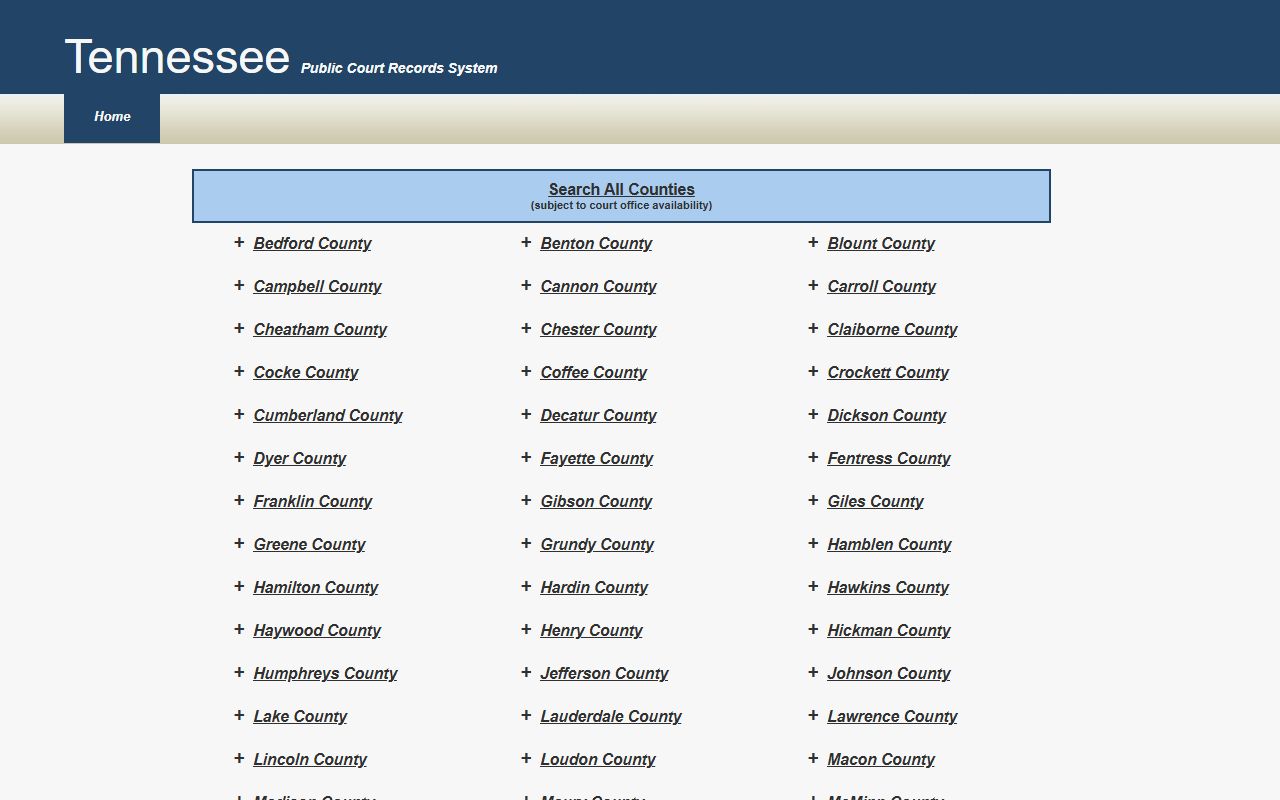
That statewide portal is a good first confirmation step when the county office needs a more specific request.
Haywood County Search Paths
Haywood County Traffic Court Records are easiest to locate when the request uses the facts that actually identify the case. Start with the statewide portal if you want a quick public lookup, then use the Circuit Court Clerk or General Sessions Court for the full county record. A name, a ticket date, and a court division will usually narrow the search enough for staff to find the docket. If you already know the citation number, include it. If you know the case is tied to General Sessions, say that up front so the office does not have to guess which file set you mean.
Traffic requests work best when they are specific. A broad request can slow things down because the office has to separate one traffic file from other county records. Give the clerk the full name, the approximate date, and the type of paper you need, such as a citation, docket sheet, or final order. If the case involved more than one hearing, that detail can help the office find the right part of the record faster. The more direct the request, the less time it takes to identify the public copy.
Helpful request details include the following:
- Full name of the driver or cited party
- Case number or citation number, if known
- Approximate ticket date or hearing date
- Circuit Court Clerk or General Sessions Court
- Any older notice, docket note, or payment receipt already in hand
Haywood County traffic citations also fit under Title 55 of the Tennessee Code. The citation rules explain why the person cited, the officer, the offense, and the court appearance all need to match the record. Under Title 55 of the Tennessee Code, the traffic citation is part of the formal court trail. If the county case affects a license or driving record, the Tennessee Department of Safety and Homeland Security is the state-side office to check next.
Public Access, Dockets, and County Records
Haywood County General Sessions Court handles traffic violations and misdemeanors, so traffic matters often stay in the county court system from beginning to end. That matters because the docket can show continuances, payment entries, appearances, or the final outcome long after the citation is issued. If you need the actual courtroom history, not just a case summary, the docket is where the county keeps that sequence. It is also the place that shows whether the matter was resolved in one hearing or spread across several appearances.
Public access during business hours is useful because it lets you check the record path without waiting for a separate online result. If the file is active, the clerk may have it ready for review or copying. If the file is older, the clerk can still tell you whether the record is available in the courthouse or whether you should shift to a state archive search. That makes the county office an important first step even when the statewide portal is part of the research plan.
For older Haywood County Traffic Court Records, the Tennessee State Library and Archives can help when the local office points you toward archived material. The archives are the better fallback when the county file has been moved out of daily use or when you are working with older research that is no longer on the active shelf. TSLA is especially useful when you need to understand how a historical traffic case was handled by the court system in a past year rather than in the current docket.
Use the Tennessee State Library and Archives court records FAQ when the county file is older, archived, or not immediately available through the clerk.
Get Haywood County Traffic Court Records
The most practical way to get Haywood County Traffic Court Records is to check the public portal, then ask the county office that owns the record. If the portal confirms the case, you already have enough detail to make a tighter request. If the portal does not show the record, the Circuit Court Clerk still has the county docket trail and the General Sessions file. Because Haywood County provides public access during business hours, an in-person visit can be the easiest way to confirm whether the case is active, archived, or ready for copying.
When you ask for a copy, name the document type. A docket sheet, a citation copy, and a final order are different records, and each one answers a different question. If you want to know whether the county still has the file in public view, ask for the status before asking for a certified copy. That keeps the request narrow and helps staff process it faster. For older files, the county office may direct you to archived records instead of the active docket, which is normal and still part of the same research trail.
Haywood County Traffic Court Records are easiest to work with when the search order is simple: county office first, statewide portal second, and archives last. That order matches the way the records actually move through the county system. It also keeps the request aligned with the office that can answer it most directly.