
Search Tennessee Traffic Court Records
Tennessee traffic court records show where a ticket went, what court handled it, and what the final result was. You can search them through county clerks, city courts, and statewide tools. Some records appear online right away. Others stay at the courthouse and need a direct request. This page points you to the main places to look, the kinds of records you may find, and the local pages that help you narrow a search by county or city. If you need a citation, a docket, or a public copy, start here and work from the broad state view to the local court.
Tennessee Traffic Court Records Quick Facts
Tennessee Traffic Court Records Overview
Most traffic tickets in Tennessee start in General Sessions Court or a municipal court. Those courts handle moving violations, local ordinance cases, and many ticket payments. County clerks keep the file, the docket, and the paper trail. Some counties also route traffic matters through criminal or circuit offices when a case is appealed or tied to a bigger court file. The exact path depends on the county and the charge.
The Tennessee Public Court Records portal is a common first stop when you want a broad search. It covers many counties and often includes General Sessions traffic records. That makes it useful when you know the county but not the full case number. It also helps when you need a quick status check before you contact the courthouse.
City courts add another layer. Some Tennessee cities hear traffic and ordinance cases inside city limits, while the county court keeps the larger record set. That split matters. If you search the wrong office, you can miss the file. Start with the city page if the ticket came from a city officer. Start with the county page if the stop happened on a county road or state road.
The record type also matters. A citation is not the same as a full file. A docket may show dates and charges. A judgment or disposition shows how the case ended. The courthouse file can hold more. It may include pleadings, notices, payment notes, and proof of service. Use the page that matches the detail you need.
The Tennessee court map is wider than one office. Circuit Courts, Chancery Courts, Criminal Courts, General Sessions Courts, and Municipal Courts all play a part in the state's traffic record system. The statewide portal, county clerk offices, and city court pages together show where traffic cases fit within that larger court setup.
The statewide portal appears here on the Tennessee Public Court Records site and is one of the main sources for Tennessee traffic court searches.
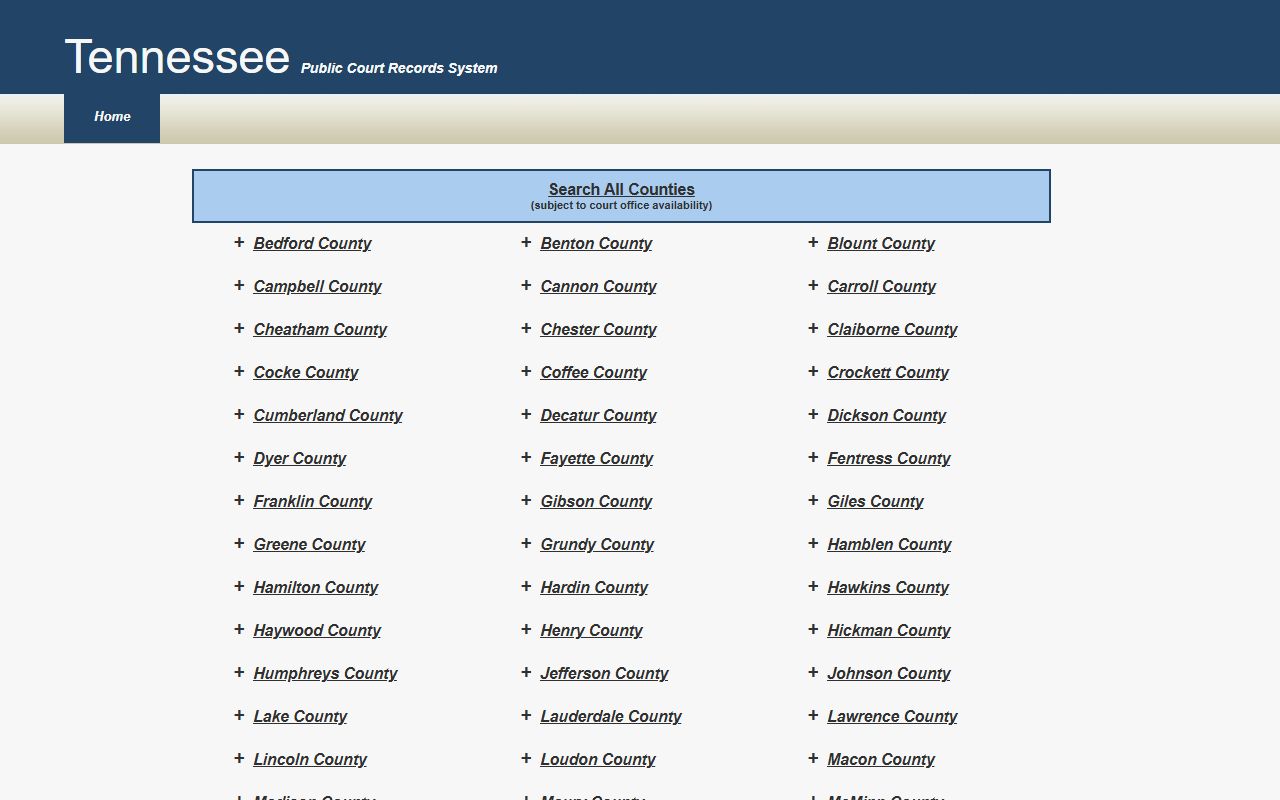
The Tennessee Public Court Records portal gives a statewide starting point for many traffic record searches. It is useful when you want one place to check before you go to the courthouse. The portal is best when you already know the county or the person named on the ticket.
How to Search Tennessee Traffic Court Records
Begin with the facts you know. A name helps. A county helps more. A ticket number is even better. If you know the date, keep that close too. Traffic records are easy to miss when you use the wrong court name or the wrong city. Small details matter. The same person can have more than one case. The same city can send records to a county office. A narrow search saves time.
Online search tools work well for quick checks. Courthouse visits work best for full files and certified copies. Some records are ready to view online. Others need a clerk to pull the case by hand. Many people start with the statewide portal, then move to the county clerk or city court that actually keeps the file. That path is fast and it cuts down on bad leads.
If you are not sure where to start, use the local pages on this site. The county pages explain the main clerk offices and court types. The city pages point to municipal court tools and local payment or ticket pages. The county and city pages also help when a road stop, camera ticket, or city citation sent the case to a local court instead of a state portal.
- Full name on the citation
- County or city where the stop happened
- Ticket number or case number
- Approximate date of the charge
- Any court date shown on the notice
When you search a court record, try more than one route. Use the name search if you do not have a number. Use the county page if you know the courthouse. Use the city page if the stop came from a city limit or municipal office. The best search is the one that matches how the case was filed, not just how the ticket looked on the road.
Tennessee Traffic Court Records Archives
Older traffic files do not always sit in an online system. When a county clerk no longer has the paper record on the desk, the Tennessee State Library and Archives can help with older court material. The archive is especially useful for historic court research and older docket work. It is open for public research Tuesday through Saturday from 8:00am to 4:30pm Central Time.
That makes the archives a strong backup when a local office has limited digital records. Some traffic matters are old enough that the paper file has moved into storage or archival care. In those cases, the archive can be the right next stop. It is not the fastest route, but it can open doors when a county office search comes up short.
The archive helps most when you have the county, the year, or a known party name. Bring as much detail as you can. Old traffic records can hide in broader court ledgers. The more exact your search terms are, the better the chance that staff can point you to the right box, book, or file.
The archive research process is shown on the Tennessee State Library and Archives FAQ, which is the state fallback for older court files.
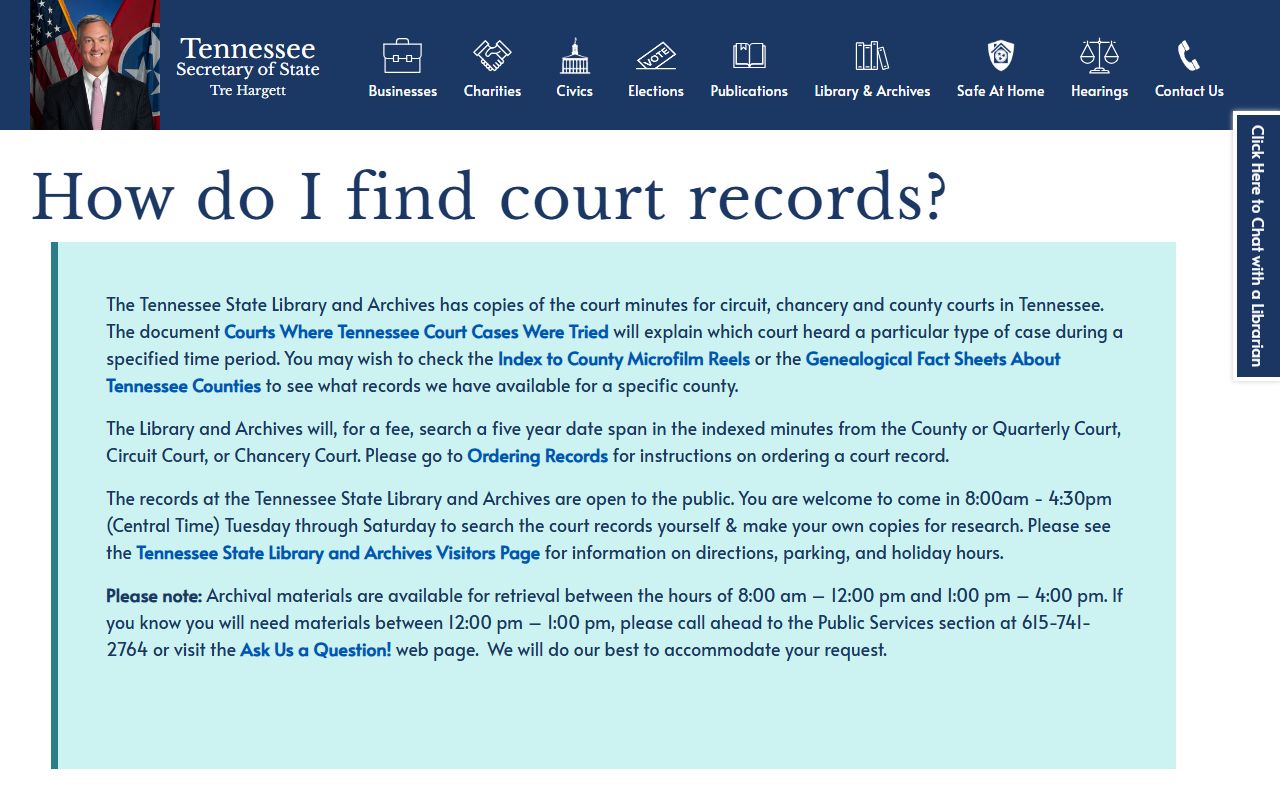
The Tennessee State Library and Archives court records FAQ is a solid guide for older traffic and court research. It is useful when the courthouse file is old, stored, or no longer easy to reach.
Tennessee Traffic Court Records and the Law
Traffic records are shaped by the code that governs the ticket itself. Tennessee Code Title 55 covers motor vehicles and traffic rules. Section 55-10-207 explains traffic citations and the duty to appear in court. It also covers paper and electronic citations, which matters when you are trying to match a ticket to the right file.
That same code family includes rules for photo enforcement. Section 55-8-198 addresses traffic enforcement cameras and related systems. If a ticket came from camera enforcement, the paperwork may look different from a stop by an officer. That difference can change what you search for and which office gets the request.
The Tennessee Department of Safety and Homeland Security also matters because courts report convictions that can affect a driver's record. The department tracks traffic violations and the point system. It can also affect license status when points pile up. For a record search, that means a court disposition can have a life beyond the courthouse file.
Note: The law section helps explain why a citation may show up in one office, while the full case file sits in another.
The traffic citation rules shown here come from the Title 55 code page, which anchors the legal side of Tennessee traffic court records.
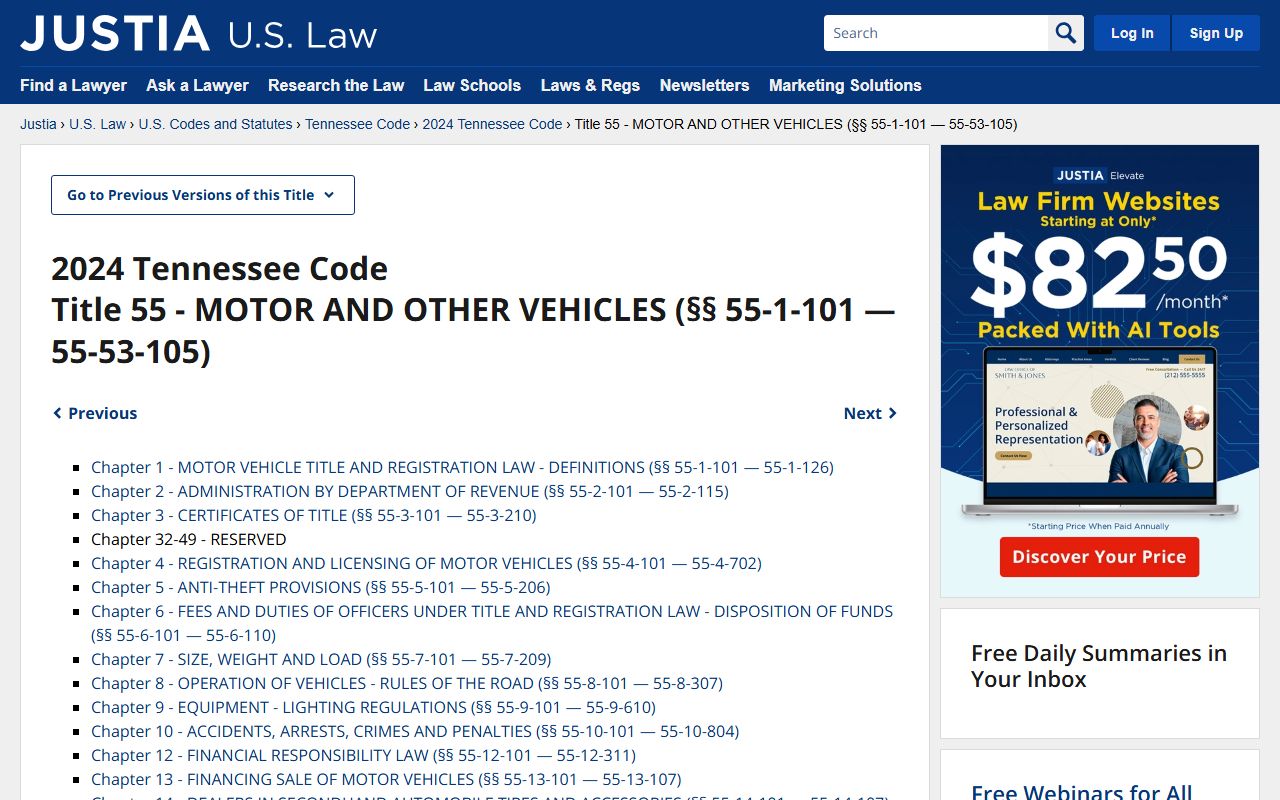
The Title 55 code page is useful when you want the traffic rule behind the record. It helps explain how a citation is issued and why the court file looks the way it does.
Public Access to Tennessee Traffic Court Records
Tennessee traffic court records are usually open to the public unless a rule or order limits access. The Tennessee Public Records Act and Tennessee Supreme Court Rule 34 both support public inspection of court records. That does not mean every page is open in full. Personal identifiers, sealed files, and sensitive items may be hidden. Still, the public can often inspect the main record.
Some traffic files have redactions. A court may hide Social Security numbers, juvenile details, medical material, or other sensitive facts. That is normal. It keeps the public file open while protecting what the law says should stay private. The office that holds the file will tell you what can be copied and what cannot.
For state guidance, the Tennessee State Library and Archives court records FAQ is a better live reference when you need to understand where a court file may be stored or why an older record may take more work to pull.
This public access reference is tied to the Tennessee State Library and Archives court records FAQ and helps explain how court files are stored, searched, and retrieved.
The Tennessee State Library and Archives court records FAQ is a better statewide reference when you want a live source on archived files, courthouse research, and record retrieval paths.
Federal Tennessee Traffic Court Records
Most traffic cases stay in state or local court. Still, some traffic-related matters fall under federal court. That can happen on federal property or in a case tied to a federal worker or federal rule. In those situations, the record may live in PACER instead of a county office. That is rare, but it matters when the local search goes nowhere.
Use PACER if the case was filed in federal court. Search by name, case number, or filing date. That system is separate from county traffic search tools. It is also a good reminder that traffic records do not all live in one place. Some sit with the state. Some sit with a city. A few land in federal court.
Federal traffic-related records use the PACER access page for Tennessee courts, not the county tools used for ordinary tickets.
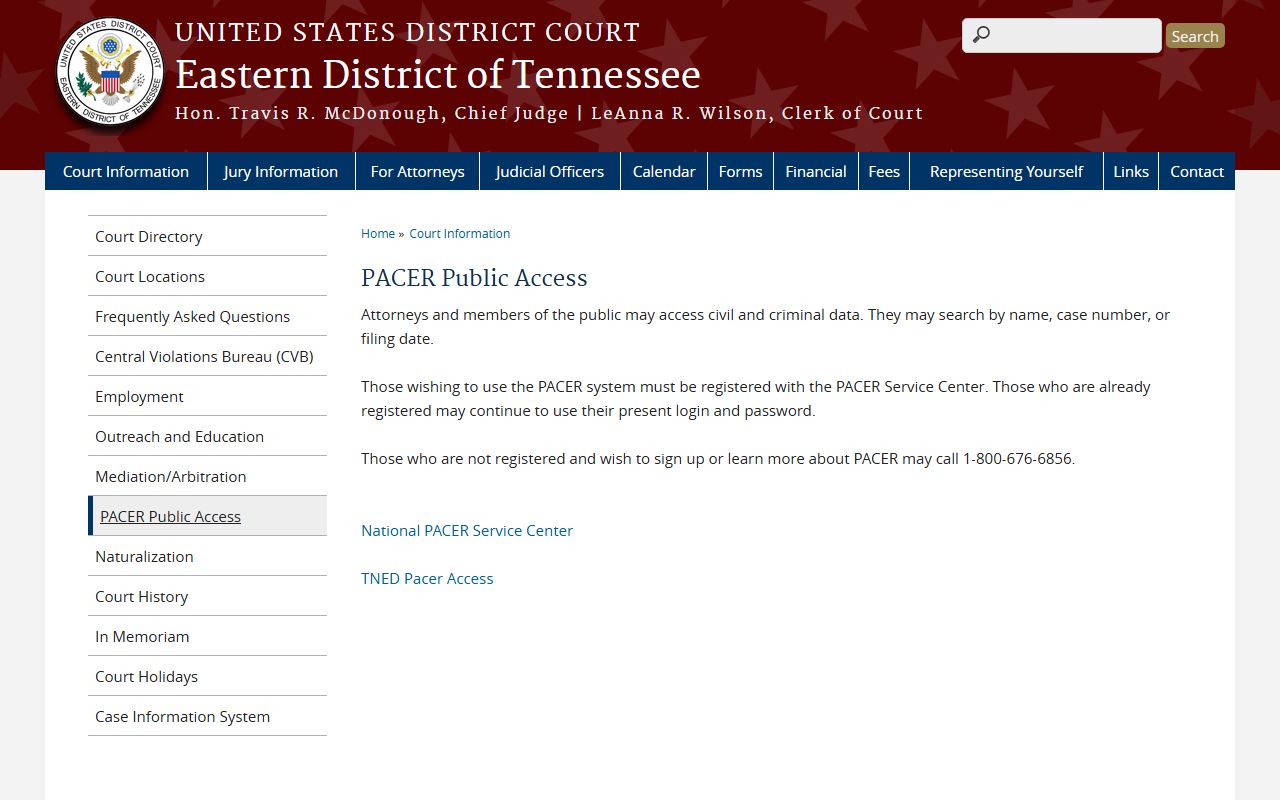
The PACER access page for Tennessee federal courts is the right place to start when a traffic-related matter appears to be federal. It is not the common path, but it is the correct one for those cases.
Tennessee Traffic Court Records and Drivers
Traffic cases are not just paper files. They can affect a driver's license, insurance, and driving history. The Tennessee Department of Safety and Homeland Security keeps the bigger driver record side of the picture. That is why a court disposition can matter long after the hearing ends. The file may start with a ticket and end with a points issue.
That department also tracks the state traffic violation system. If a driver reaches the point threshold, the driver can face a suspension or other action. Court records help explain how that happened. A citation, a plea, a judgment, and a conviction can all leave a trail in the record set.
Use the department site when you want the state side of the story. Use the county or city court when you need the case file itself. That split is often the fastest way to understand what happened and where the record lives.
The driver-history side of the record system is outlined on the Tennessee Department of Safety and Homeland Security site.
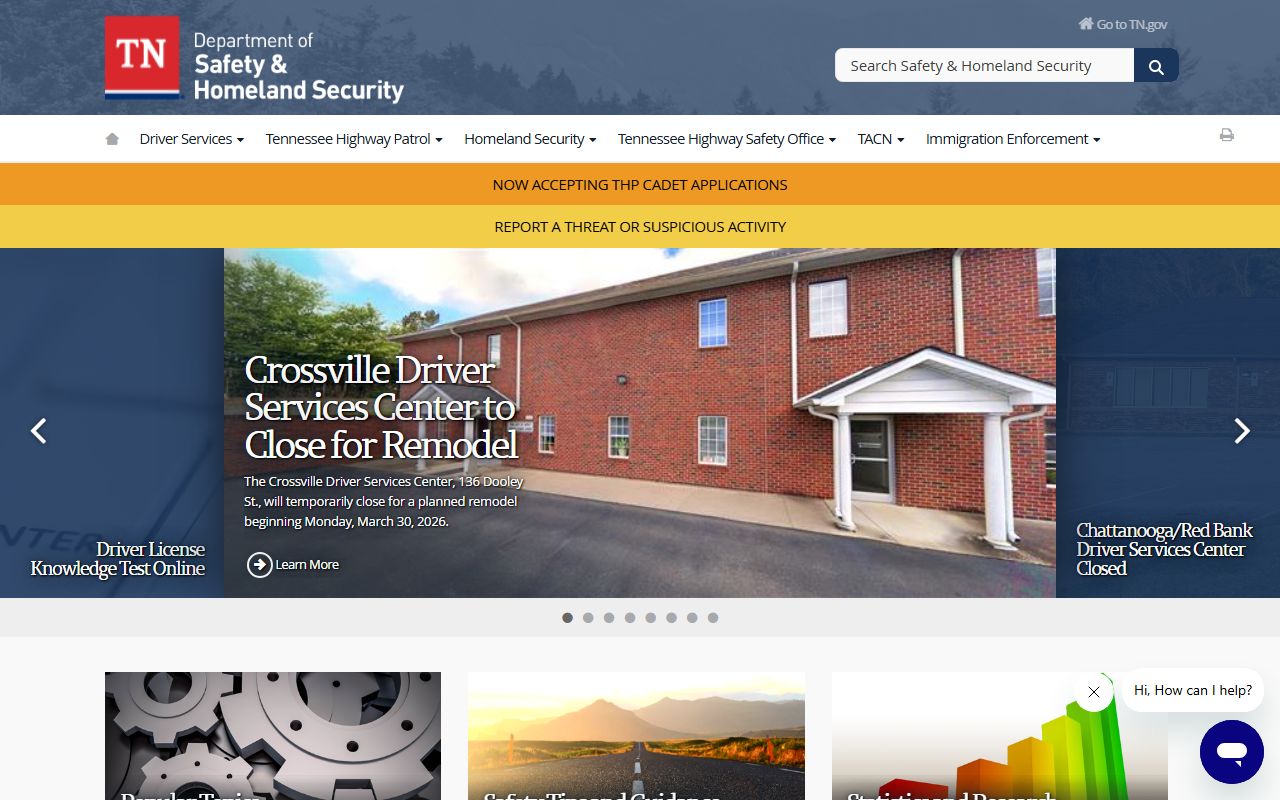
The Tennessee Department of Safety and Homeland Security explains the traffic violation point system and the state side of driver records. It is the place to check when a court case may affect a license.
Where To Go Next
If you know the county, go to the county page. If you know the city, start there. If you only know the name on the ticket, use the statewide portal first. The best path depends on how the case was filed. Local traffic cases are often easier to find when you match the court type to the place that issued the ticket.
Large metro areas often split work between county and city offices. Davidson County and Shelby County are good examples. Nashville and Memphis also have strong local court systems. Those pages help you move from a broad state search to the exact clerk or court that is most likely to hold the file.
Use these local starting points when the state portal is not enough: Davidson County Traffic Court Records, Shelby County Traffic Court Records, Knox County Traffic Court Records, Hamilton County Traffic Court Records, Rutherford County Traffic Court Records, Nashville Traffic Court Records, Memphis Traffic Court Records, Knoxville Traffic Court Records, Chattanooga Traffic Court Records, and Clarksville Traffic Court Records. They show how the local court system handles traffic cases and where the records are likely to be kept.
Browse Tennessee Traffic Court Records by County and City
Use the county pages when you know where the traffic case was filed. Use the city pages when a municipal court or local ordinance matter is part of the search. Both page sets will help you move from a broad Tennessee search to the office that is most likely to hold the file. The state tools above are useful too, especially when you want to check more than one county at once.
Pick a county or city below. Each one will connect you to a local traffic court records page built for that place. The directory grows from the state view down to the local one, which makes it easier to find the right clerk, court, or record path without guessing.